

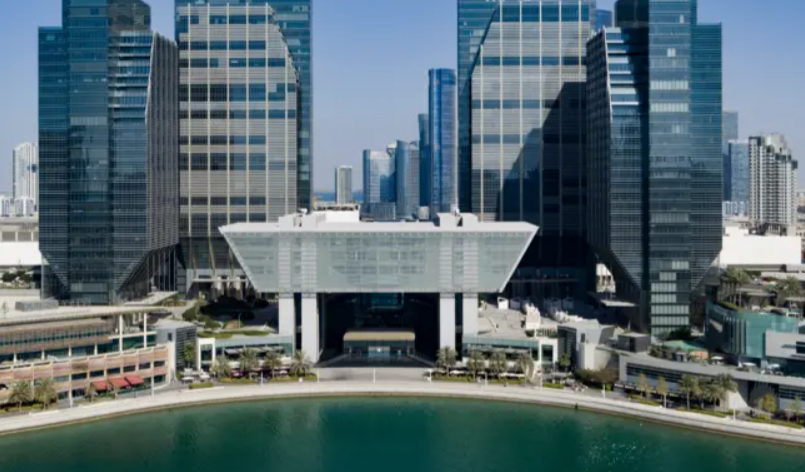
Global investors are increasingly looking beyond traditional markets in search of diversification, resilience, and long-term growth. The Middle East and North Africa (MENA) region has emerged as a compelling destination, driven by economic reforms, strategic geographic positioning, and a renewed focus on capital market development. For sophisticated investors, the region presents a mix of mature financial hubs and high-growth frontier opportunities.
Navigating MENA markets requires a nuanced understanding of local dynamics. Regulatory environments, political considerations, and sector-specific trends vary widely across countries. Investors who approach the region with informed strategies and a long-term perspective are better positioned to capitalise on its evolving financial landscape.
The Evolving Landscape of MENA Financial Markets
MENA financial markets have undergone a significant transformation over the past decade. Governments across the region have prioritised economic diversification, reducing reliance on oil revenues while encouraging private sector participation. Initiatives such as privatisations, public listings, and regulatory reforms have deepened capital markets and improved transparency.
Financial centres like Dubai, Abu Dhabi, and Riyadh have strengthened their positions as regional hubs. Exchanges in these cities have introduced modern trading systems, enhanced disclosure requirements, and expanded access for foreign investors. These developments align with broader global standards, making the region more accessible to institutional capital.
Emerging markets within North Africa are gradually opening up. Countries like Egypt and Morocco are implementing reforms aimed at attracting foreign investment, including currency stabilisation measures and improved corporate governance frameworks. While these markets may carry higher risk, they also offer significant growth potential for investors willing to conduct thorough due diligence.
Sector Opportunities Driving Growth
One of the most compelling aspects of MENA markets is the diversity of investment opportunities across sectors. Energy remains a cornerstone, but the narrative is shifting toward renewable energy and sustainable infrastructure. Governments are investing heavily in solar and wind projects, creating opportunities for investors aligned with global ESG priorities.
Technology is another rapidly expanding sector. Startups across fintech, e-commerce, and digital services are gaining traction, supported by a young, tech-savvy population and increasing internet penetration. Venture capital activity has grown steadily, signalling confidence in the region’s innovation ecosystem.
Additionally, financial services, healthcare, and logistics are experiencing sustained growth. The expansion of banking services, insurance products, and capital market instruments reflects a maturing financial system. Investors seeking exposure to long-term structural trends can explore these sectors through carefully selected equities, funds, or partnerships highlighted on this webpage.
Understanding Risk and Regulatory Complexity
Despite its potential, the MENA region presents a complex risk environment. Political stability varies across countries, and geopolitical tensions can influence market sentiment. Sophisticated investors must account for these factors when constructing portfolios and managing exposure.
Regulatory frameworks also differ significantly. While Gulf Cooperation Council countries have made substantial progress in aligning with international standards, other markets are still developing their regulatory infrastructure. Understanding local laws, tax implications, and ownership restrictions is critical to avoiding costly missteps.
Currency risk is another important consideration. Some countries maintain fixed exchange rates, while others operate under more flexible regimes. Fluctuations can impact returns, particularly for foreign investors. Effective risk management strategies, including diversification and hedging, play a crucial role in navigating these challenges.
The Role of Institutional and Global Participation
Institutional investors are playing an increasingly important role in shaping MENA markets. Sovereign wealth funds, pension funds, and large asset managers are actively deploying capital both within the region and globally. Their participation contributes to market stability, liquidity, and credibility.
Global index providers have also taken steps to include several MENA markets in emerging market indices. This inclusion has attracted passive investment flows and increased visibility among international investors. As a result, local companies are gaining broader access to capital and improving their governance standards to meet global expectations.
Collaboration between regional and international institutions further supports market development. Partnerships, joint ventures, and cross-border listings are becoming more common, creating opportunities for knowledge transfer and innovation. For sophisticated investors, this interconnected ecosystem offers multiple entry points into the region.
Strategies for Sophisticated Investors
Successfully investing in MENA markets requires a disciplined and informed approach. Diversification across countries and sectors can help mitigate risk while capturing growth opportunities. Investors should consider a mix of established markets and emerging economies to balance stability and upside potential.
Active management often proves valuable in this region. Given the variations in market maturity and transparency, skilled managers can identify undervalued assets and navigate local complexities more effectively than passive strategies alone. Engaging with regional experts and conducting on-the-ground research enhances decision-making.
Conclusion
The MENA region is no longer a peripheral consideration for global investors. Its financial markets are evolving rapidly, supported by reforms, diversification efforts, and increasing integration with the global economy. For those willing to engage with its complexities, the region offers a unique combination of stability in established hubs and growth in emerging markets.
Sophisticated investors who approach MENA with careful analysis, strategic diversification, and a long-term perspective can unlock meaningful opportunities. As the region continues to develop, its role in global portfolios is likely to expand, rewarding those who recognise its potential early and navigate it with informed confidence.